History & heritage
Updated September 2026
Beaumaris is one of Anglesey's most historic towns — a medieval castle, a Georgian high street, and a waterfront that has been at the heart of the island's story for centuries. Here's the guide to its past.
Beaumaris takes its name from the Norman French beau marais
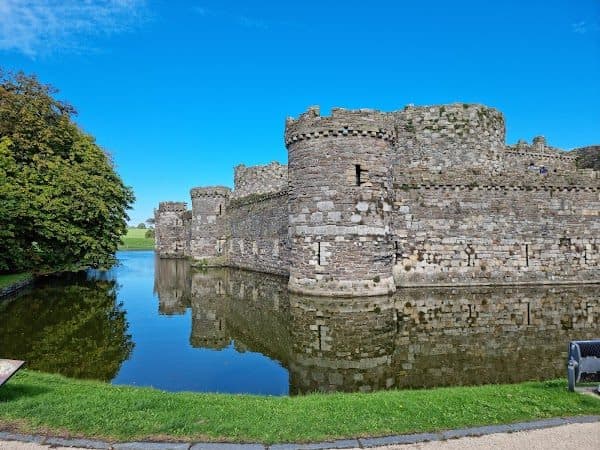
Beaumaris takes its name from the Norman French beau marais — “beautiful marsh.” The flat coastal land Edward I chose in 1295 for the last and largest of his North Wales castles gave the town its name and its shape: a planned medieval settlement built in the shadow of a fortress.
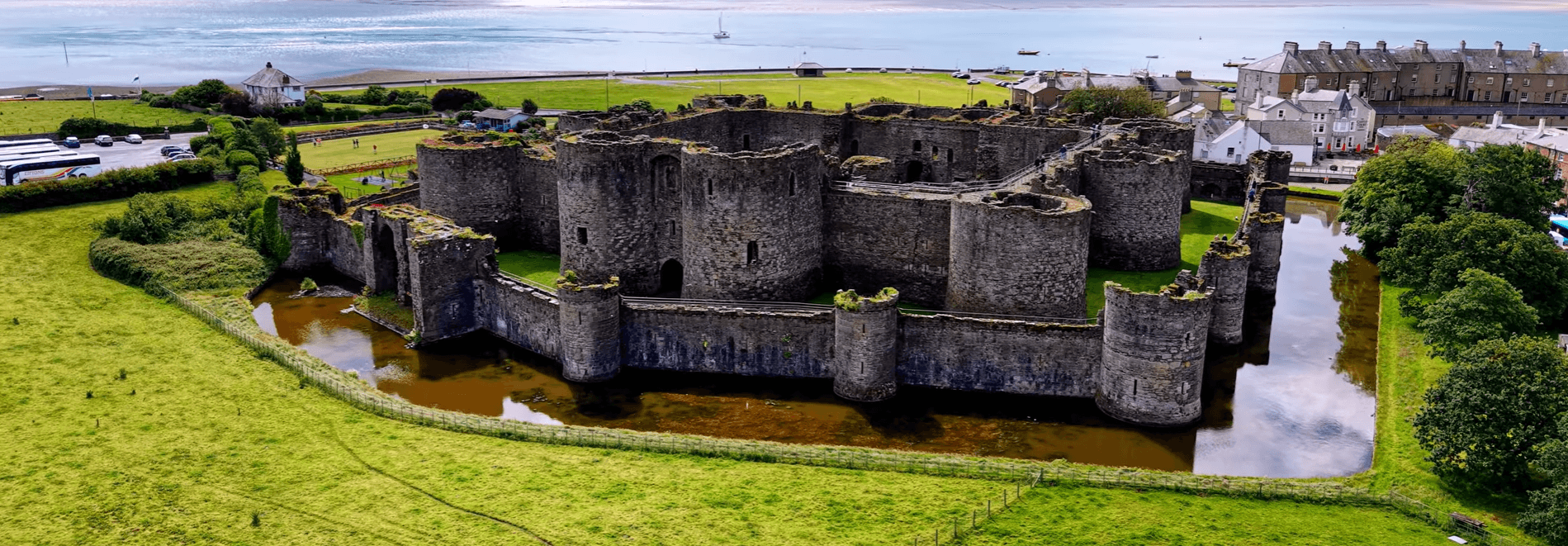
The castle that was never finished
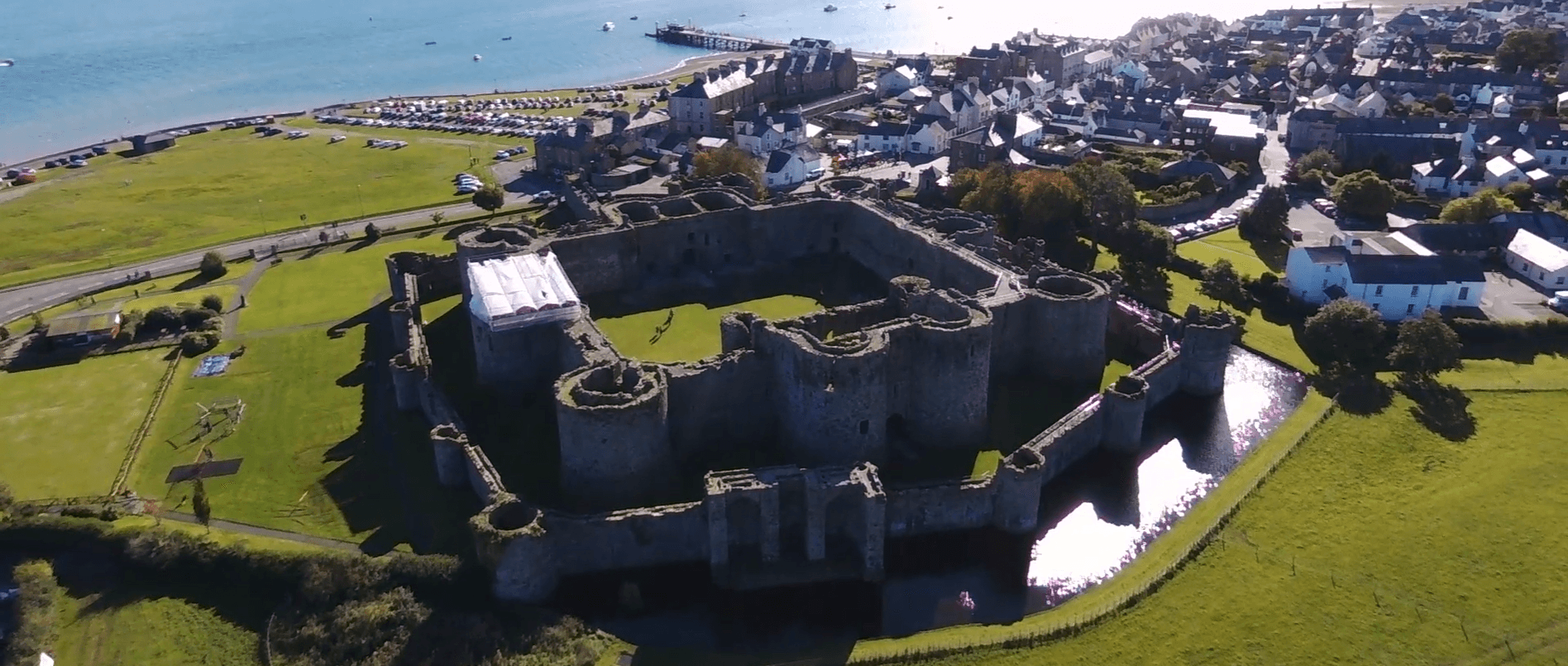
Beaumaris Castle is often called the greatest castle never built. Edward I commissioned it after crushing a Welsh rebellion in 1294–95, the final link in his “Iron Ring” of fortresses encircling Snowdonia — alongside Conwy, Caernarfon, and Harlech. Designed by Master James of St George, it's considered the most technically perfect example of concentric castle design in Britain: symmetrical rings of walls and towers, a moat, and a dock that let ships supply the castle directly from the sea. Money ran out by the 1320s — funding was diverted to Edward's wars in Scotland — and construction stopped, leaving towers roughly half their planned height. Even unfinished, it's a UNESCO World Heritage Site, one of four Edwardian castles in Wales recognised for their significance to medieval military architecture.
Georgian streets and older bones
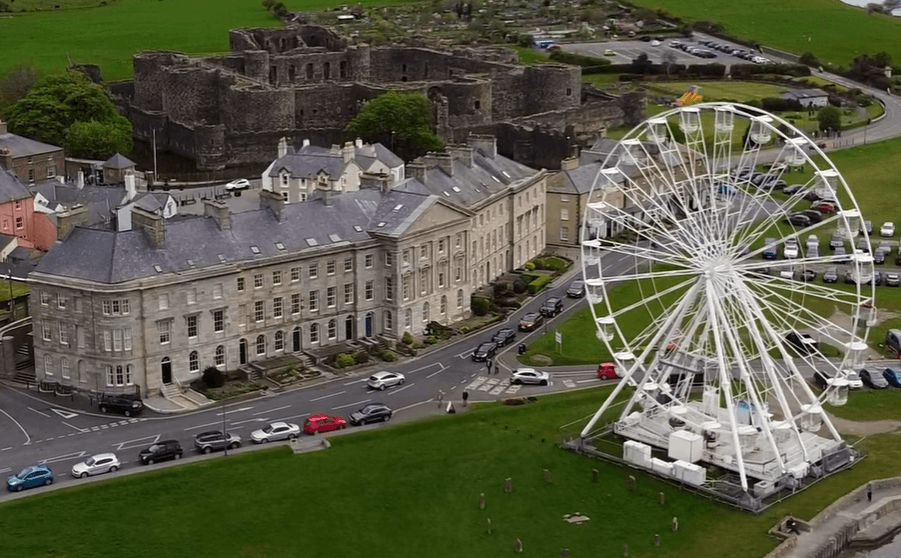
Walk down Castle Street and the architecture spans eight centuries in a few hundred yards. The Tudor Rose, on the high street, is one of the oldest timber-framed buildings in Britain. The Bull's Head Inn dates to 1472 and served as the headquarters of Parliamentary forces during the second English Civil War, when they besieged the Royalist-held castle in 1648. By the eighteenth century, Beaumaris had reinvented itself as a fashionable Georgian seaside town, and the pastel-painted townhouses along the front date from that era — the look most visitors associate with the town today.
The Gaol and Courthouse
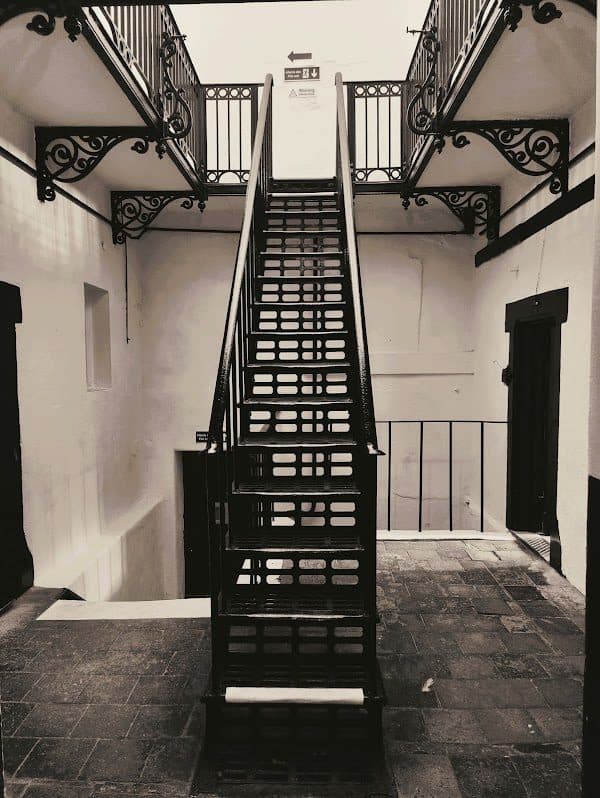
A short walk from the castle, Beaumaris Gaol was built in 1829 to a design by Joseph Hansom — later famous for the Hansom cab. It's one of the most complete Victorian county gaols in Britain, with original cells, a treadwheel still in its original position, and the story of Richard Rowlands, hanged here in 1862 while protesting his innocence. Local legend says he cursed the nearby church clock on the way to the gallows, and it's struggled to keep time ever since. The Courthouse across town dates to 1614 and hosted Anglesey's assizes for nearly four centuries — standing in the dock, looking up at the bench, is worth the visit alone. Both are seasonal attractions (roughly Easter to September) — worth checking current opening hours before visiting.
The pier and the harbour town
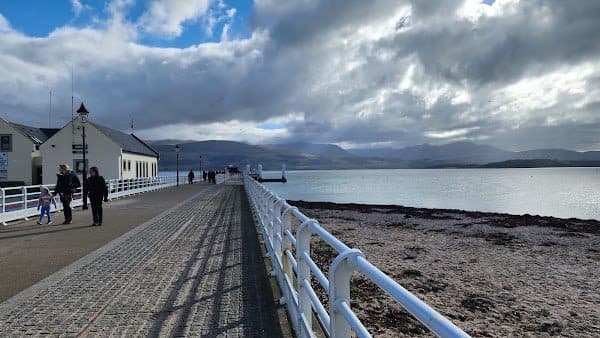
Beaumaris Pier opened in 1846, designed to receive the pleasure steamers that once linked the town to Liverpool, Llandudno, and the Isle of Man. Storm damage forced a rebuild in 1872, and by 1895 it stretched to 570 feet with a pavilion at the end. By the 1960s, decades without proper maintenance had left it unsafe and facing demolition — it survived only because of a private donation from local yachtswoman and lifeboat secretary Mary Burton. It's been restored since, most recently between 2010 and 2012, and today it's as much a spot for crabbing and an evening stroll as it is a heritage structure.
Common questions
- Why is Beaumaris called Beaumaris?
- The name comes from the Norman French beau marais — “beautiful marsh.” Edward I chose the flat coastal land in 1295 for the last and largest of his North Wales castles, and the planned town took its name and shape from it.
- Why is Beaumaris Castle called the greatest castle never built?
- Money ran out by the 1320s, when funding was diverted to Edward's wars in Scotland, and construction stopped with towers roughly half their planned height. Designed by Master James of St George, it is considered the most technically perfect example of concentric castle design in Britain — with a moat and a dock that let ships supply it from the sea — and it is a UNESCO World Heritage Site.
- When was Beaumaris Gaol built, and who designed it?
- Beaumaris Gaol was built in 1829 to a design by Joseph Hansom, later famous for the Hansom cab. It is one of the most complete Victorian county gaols in Britain, with original cells and a treadwheel still in position, and it is a seasonal attraction roughly from Easter to September.
- How old is The Bull's Head Inn?
- The Bull's Head Inn dates to 1472 and served as the headquarters of Parliamentary forces during the second English Civil War, when they besieged the Royalist-held castle in 1648.
- When did Beaumaris Pier open?
- Beaumaris Pier opened in 1846 to receive the pleasure steamers that linked the town to Liverpool, Llandudno and the Isle of Man. Storm damage forced a rebuild in 1872, and by 1895 it stretched to 570 feet. It survived a plan to demolish it thanks to a private donation from local yachtswoman and lifeboat secretary Mary Burton, and has been restored since, most recently between 2010 and 2012.
More guides

Explore more of Beaumaris
Find local businesses, activities, and everything else our village has to offer.